Care & Maintenance

How to Clean and Maintain Epoxy Floors: The NJ Care Guide

June 2026 7 min readresidential applications
How to Clean and Maintain Epoxy Floors: The NJ Care Guide

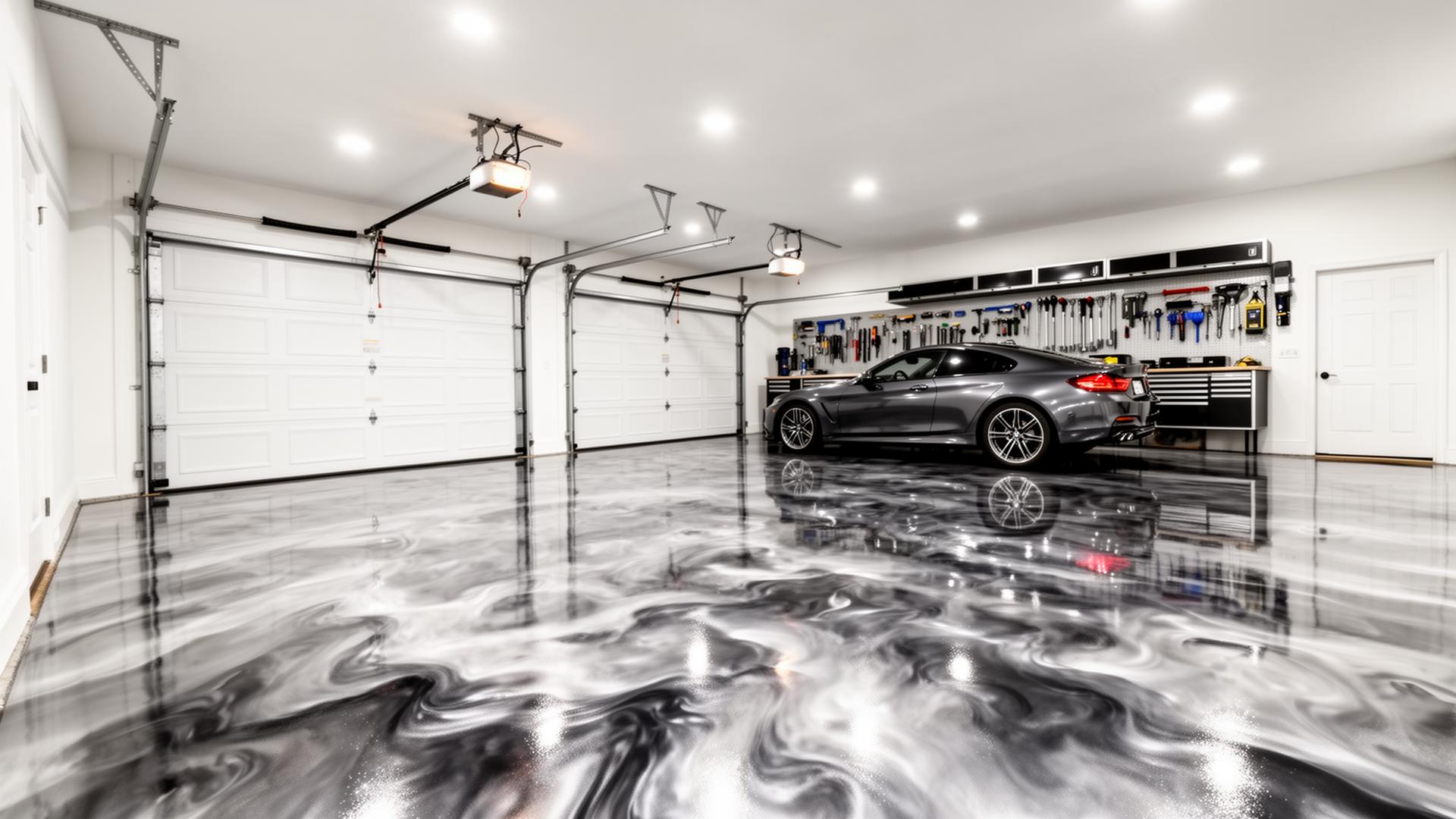
A well-installed epoxy floor is engineered to shine and last — but how you clean it in the first year sets the tone for the next twenty. New Jersey homeowners face a specific cocktail of stressors: rock salt tracked in from January driveways, sand and winter grit grinding under car tires, summer humidity, and the occasional dropped wrench. The good news: epoxy maintenance is genuinely simple once you know the rules. This guide covers daily care, stain removal, the NJ winter playbook, and the professional refresh schedule that keeps your floor looking like the day we installed it.

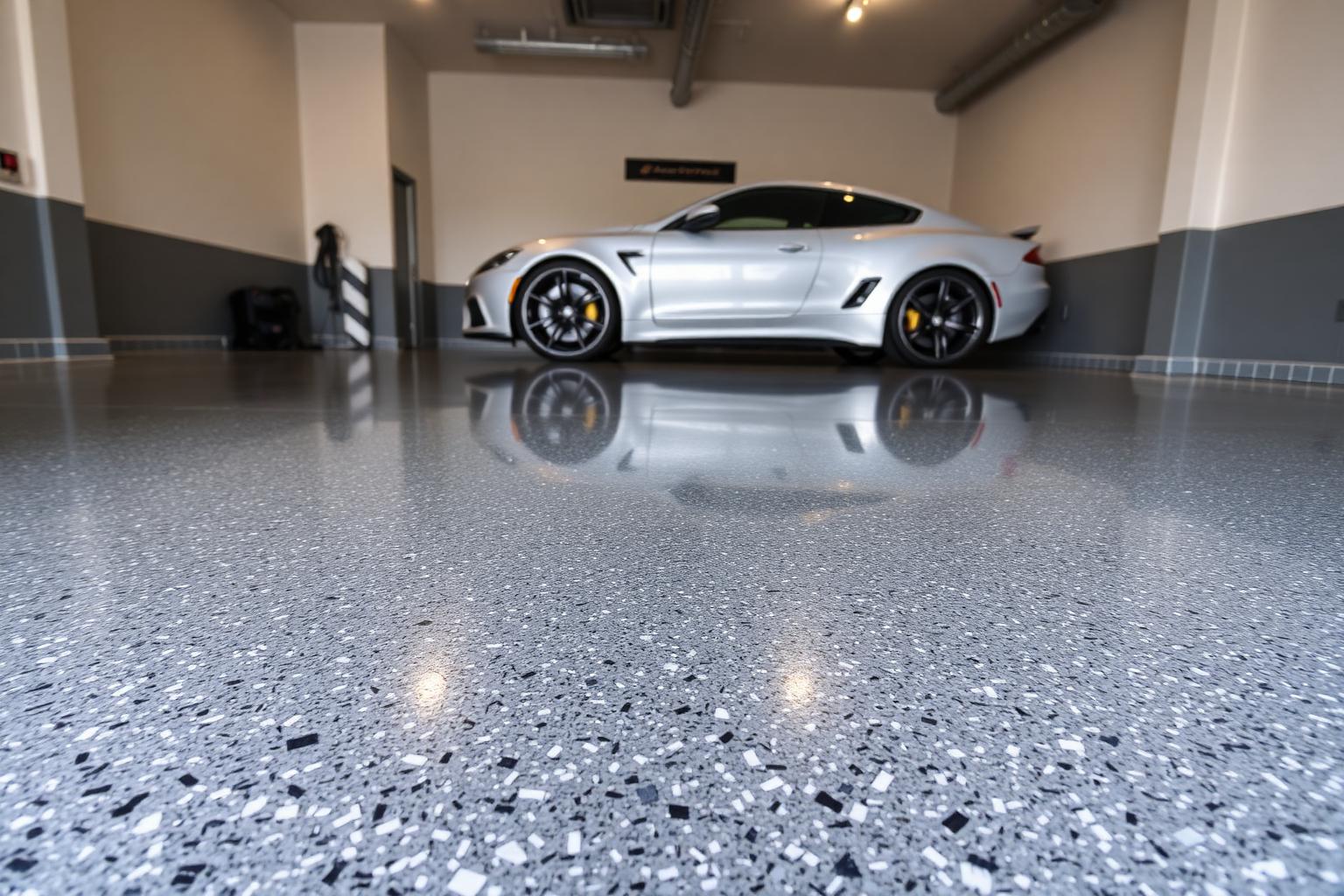
How to Clean and Maintain Epoxy Floors: The NJ Care Guide — detail

Daily and weekly cleaning

Epoxy is a non-porous, chemically bonded surface — which means dirt sits on top, not in it. A soft-bristle broom or microfiber dust mop handles 90% of weekly maintenance. For deeper cleans, a flat mop with warm water and a neutral pH cleaner is all you need. Skip the harsh chemicals; they shorten topcoat life with zero added cleaning benefit.

  • Sweep or dust-mop weekly to remove grit before it acts as sandpaper
  • Damp mop monthly with warm water and a neutral pH cleaner (or a few drops of dish soap)
  • Avoid vinegar, citrus cleaners, and bleach — acidic cleaners dull the gloss over time
  • Never use steel wool, scouring pads, or abrasive powders
  • Rinse with clean water after detergent mopping to prevent film build-up

Stain and spill removal

Epoxy resists most household and automotive spills — but the longer a substance sits, the harder it works on the topcoat. Wipe spills promptly and you'll almost never see a stain. For tougher cases, match the cleaner to the contaminant.

  • Motor oil, brake fluid, transmission fluid — wipe immediately; for set stains use degreaser + soft brush
  • Paint, adhesives — soften with mineral spirits on a rag, then rinse
  • Tire marks — warm water + concrete-safe degreaser, scrub with a soft nylon brush
  • Rust spots — a dilute oxalic acid cleaner, applied briefly and rinsed thoroughly
  • Food, drinks, pet accidents — warm soapy water; epoxy is sealed and won't absorb

The New Jersey winter playbook

Winter is where most epoxy floors take their real-world abuse. Road salt (calcium chloride, magnesium chloride, sodium chloride) hitches a ride into the garage on tires and boots. Once the salt-laden snowmelt evaporates, a fine white residue is left behind that's mildly corrosive to the topcoat and brutally abrasive when ground underfoot. The fix is fast and easy if you stay ahead of it.

  • Place a heavy-duty containment mat under each vehicle to catch snowmelt and salt brine
  • Rinse the floor with plain warm water within 24–48 hours of any salt exposure
  • Squeegee standing water toward a floor drain or door to prevent salt rings
  • Use a walk-off mat at the door from house to garage to catch grit at the threshold
  • Avoid metal snow shovels directly on the epoxy — use plastic-edged or rubber-edged tools

Heavy-use garage habits that extend lifespan

Most premature wear we see on NJ garage floors comes from a handful of avoidable habits. None of them are dealbreakers — but fixing them adds years to the floor.

  • Park on a clean floor — grit under hot tires acts like a grinding wheel
  • Use jack pads or wood blocks under jack stands and creepers
  • Don't drag toolboxes, generators, or grills — lift or use furniture sliders
  • Wipe up battery acid, antifreeze, and degreaser drips the same day
  • Avoid leaving rubber mats sitting on the floor for months — they can leave permanent ghost marks under UV

Restoring shine if the floor looks dull

If your floor has lost some gloss after a few years of hard use, the topcoat is doing exactly what it's designed to do — sacrifice itself to protect the colored base layer below. Restoring shine is almost always a topcoat-only operation, not a full reinstall.

  • Deep clean with a neutral cleaner and let fully dry
  • Lightly screen-sand the existing topcoat to give the new coat a mechanical key
  • Apply a single refresh coat of polyaspartic or polyurethane (typically 24-hour return-to-service)
  • Expect a refreshed floor to look effectively new for another 8–10 years

The professional maintenance schedule

For residential garages and interior floors, a once-a-year professional inspection catches small issues — edge lifting, hairline cracks, chemical etch — before they turn into expensive repairs. For commercial and industrial floors, semi-annual inspections plus a planned topcoat refresh every 5–8 years is the standard maintenance contract. We offer both as flat-rate service plans across New Jersey.

Frequently asked questions

What's the best cleaner for an epoxy garage floor?

Warm water with a neutral pH cleaner — or a few drops of dish soap — is ideal. Avoid vinegar, citrus, and bleach. They'll dull the topcoat over time without cleaning any better than plain soap and water.

Will road salt damage my epoxy floor?

Salt itself won't eat through a properly installed epoxy topcoat, but the abrasive grit it carries will scratch the gloss, and prolonged salt residue can dull the finish. Rinsing the floor within a day or two of salt exposure is the single most effective NJ winter habit.

How often should an epoxy floor be professionally maintained?

Residential floors do well with an annual visual inspection and a topcoat refresh every 8–10 years. Commercial and industrial floors benefit from semi-annual inspections and a planned topcoat refresh every 5–8 years depending on traffic.

Can I pressure-wash my epoxy floor?

Yes, on the low end of the pressure scale (1,500–2,000 psi max) with a wide fan tip held at least 12 inches away. Pressure washing is great for garages after winter — just avoid concentrating the spray on caulked joints or coved edges.

Why does my epoxy floor look hazy after mopping?

That haze is detergent residue. Mop once with cleaner, then mop again with plain warm water to rinse — or switch to a no-rinse neutral pH cleaner. The haze isn't damage; it wipes off completely.

Free Estimate

Ready to start your project?

Licensed, insured, and serving all of New Jersey from South Bound Brook. Same-week consultations available.

TB
Written by

Thomas Blanco — Founder, Blanco Pro Services

Thomas founded Blanco Pro Services in South Bound Brook, NJ and is currently pursuing a degree in Business Administration. He brings hands-on experience in hardscaping and concrete plus two years of professional residential demolition — and writes from the field, not from a marketing desk.

Keep reading

Free Estimates · Licensed & Insured

Ready to transform
your space?

From mirror-glass epoxy floors to elegant paver patios — let's build something extraordinary together.